
 24/7 help
 Sign In
 Cart
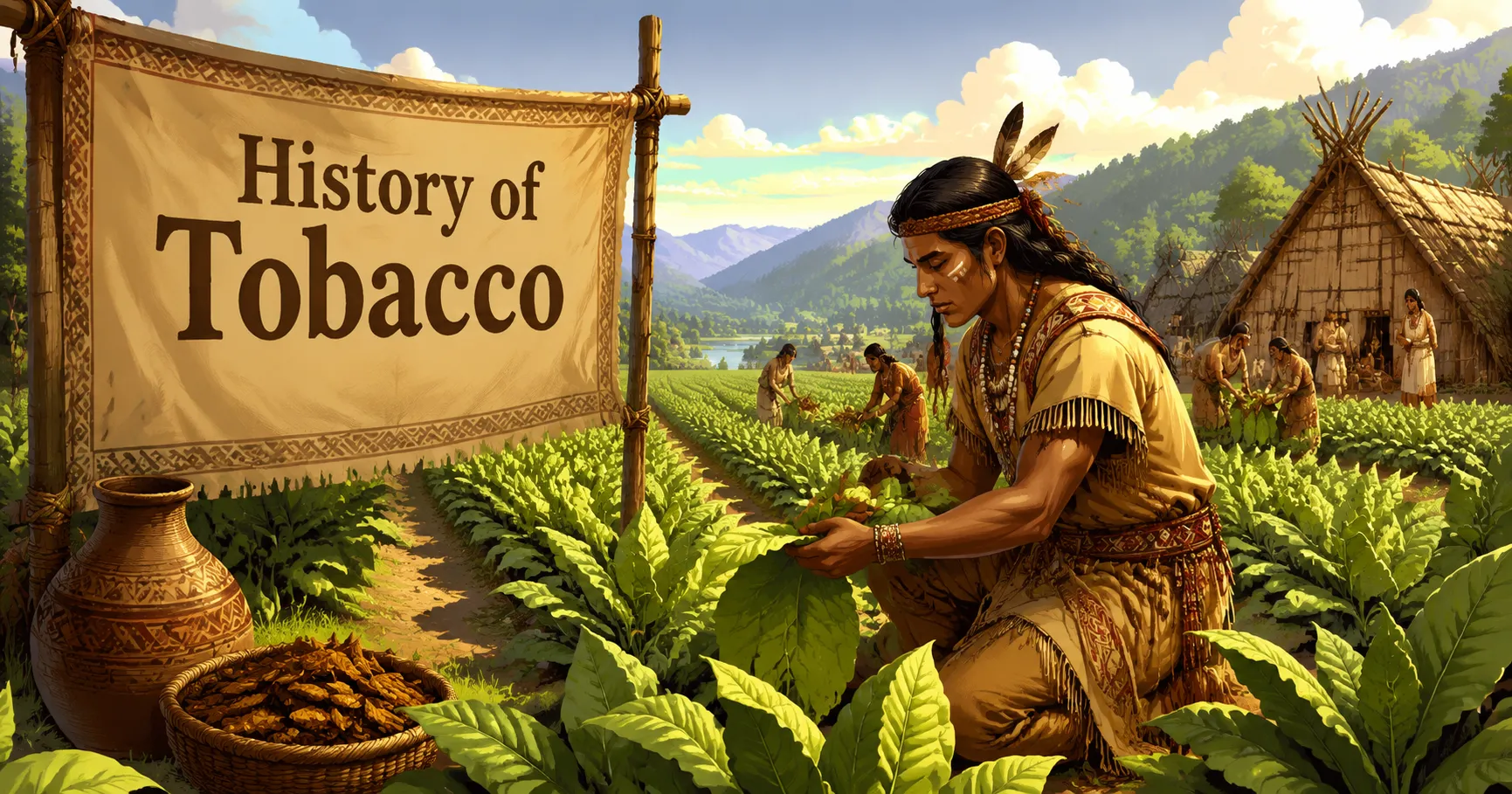
Cigarettes are one of the most widely recognized tobacco products in the world today—but their origins stretch back thousands of years, long before factories, branding, and global distribution existed.
From sacred Indigenous rituals to mass-produced consumer goods, the evolution of cigarettes is a story shaped by culture, war, innovation, and commerce.
So, when was the first cigarette made? Who invented cigarettes? And how did they become such a global industry?
This in-depth guide explores the full history of cigarettes—from ancient tobacco use to modern manufacturing—while highlighting the role of Canadian tobacco in the industry’s development.
The Origins of Tobacco Use
Long before cigarettes existed, tobacco held deep cultural and spiritual significance.
Archaeological evidence suggests that tobacco has been used for over 8,000 years, primarily by Indigenous peoples across North and South America.
How Tobacco Was Traditionally Used
Indigenous communities cultivated and consumed tobacco in several ways:
- Smoking in ceremonial pipes
- Chewing tobacco leaves
- Burning tobacco in spiritual rituals
- Using it for medicinal purposes
Tobacco was not simply recreational—it was often considered sacred, used in communication with the spiritual world and in important social ceremonies.
Tobacco Reaches Europe
When European explorers arrived in the Americas in the late 15th century, they encountered tobacco for the first time.
Figures such as Christopher Columbus and later Spanish and Portuguese explorers brought tobacco back to Europe. By the 16th century, tobacco had spread rapidly across:
- Europe
- Asia
- Africa
It quickly became one of the first globally traded crops, setting the stage for future innovations—including cigarettes.
When Was the First Cigarette Made?
The question “when was the first cigarette made?” doesn’t have a single definitive answer. Instead, cigarettes evolved gradually over time.
Early Forms of Cigarettes (1600s)
The earliest known versions appeared in the 1600s in Spain and Mexico, where people:
- Rolled leftover tobacco scraps
- Used paper or corn husks
- Created small, portable smoking bundles
These early forms closely resemble what we would now recognize as primitive cigarettes.
The Crimean War and Modern Cigarettes
A major turning point came during the Crimean War (1853–1856).
Soldiers—particularly from the Ottoman Empire—began rolling tobacco in paper for convenience. British and French soldiers adopted this habit and brought it back home.
This moment marked the transition from informal tobacco use to a more standardized, recognizable cigarette.
Key Takeaway
- 1600s: Early cigarette-like forms emerge
- 1850s: Modern cigarette use spreads through war
Who Invented Cigarettes?
Unlike many inventions, cigarettes were not created by a single individual. However, one key figure revolutionized their production.
The Role of James Albert Bonsack
In 1880, American inventor James Albert Bonsack patented the first practical cigarette-rolling machine.
His invention could produce:
- Over 200 cigarettes per minute
- Far more than manual production
This innovation dramatically reduced production costs and made cigarettes widely accessible.
Why Bonsack’s Machine Changed Everything
Before this invention:
- Cigarettes were handmade
- Production was slow and inconsistent
After the machine:
- Cigarettes became standardized
- Production scaled globally
- Prices dropped significantly
This marked the birth of the modern cigarette industry.
The Rise of Big Tobacco Companies
With mass production now possible, large tobacco companies quickly emerged.
Early Industry Leaders
Some of the most influential companies included:
- Allen & Ginter (USA)
- British American Tobacco (UK)
- Imperial Tobacco (Canada & UK)
These companies introduced:
- Consistent product design
- Packaging and branding
- Large-scale distribution networks
Branding and Consumer Culture
By the early 20th century, cigarettes were no longer just a product—they were a brand-driven commodity.
Companies began competing through:
- Logos and packaging
- Advertising campaigns
- Product variations
This laid the foundation for the global cigarette market we see today.
Cigarettes in the 20th Century
The 20th century was a period of explosive growth for the cigarette industry.
World Wars and Rising Demand
During both World War I and World War II:
- Cigarettes were included in soldiers’ rations
- Governments supported distribution to boost morale
As soldiers returned home, smoking habits followed—leading to a sharp increase in global consumption.
The Advertising Boom
From the 1920s to the 1950s, cigarette advertising became highly influential.
Brands used:
- Celebrity endorsements
- Doctor testimonials (common at the time)
- Slogans and lifestyle imagery
Smoking was often portrayed as:
- Sophisticated
- Relaxing
- Rebellious
These campaigns played a major role in normalizing cigarette use worldwide.
The Introduction of Filters and Product Innovation
By the mid-20th century, public awareness around smoking began to change.
Why Filters Were Introduced
In the 1950s, manufacturers introduced filters to address growing health concerns.
Filters were marketed as:
- Reducing tar and nicotine intake
- Offering a “cleaner” smoking experience
While their effectiveness has been widely debated, filters have become a standard feature in most cigarettes.
Changes in Tobacco Blends
Manufacturers also began experimenting with:
- Flavouring additives
- Different curing methods
- Blends from multiple regions
This included integrating Canadian tobacco, known for its quality and consistency.

Canadian Tobacco and Its Global Role
Canada has played a significant role in the global tobacco industry, particularly through cultivation.
Tobacco Farming in Canada
Commercial tobacco farming in Canada became prominent in the 19th and 20th centuries.
Key growing regions include:
- Southwestern Ontario
- Quebec
Types of Canadian Tobacco
Canadian tobacco is commonly used in blends due to its quality:
- Flue-cured tobacco: widely used in cigarettes
- Burley tobacco: adds strength and flavour
Canadian-grown tobacco has been exported globally and remains an important part of the supply chain.
How Cigarette Production Evolved
Cigarette production has undergone a major transformation over time.
Early Production
- Hand-rolled cigarettes
- Inconsistent quality
- Limited availability
Industrial Production
- Machine-rolled cigarettes
- Standardized size and shape
- Large-scale manufacturing
Modern Manufacturing
Today’s cigarette production involves:
- Highly automated systems
- Precision quality control
- Advanced packaging technologies
This evolution reflects over a century of technological advancement.
Cultural Impact of Cigarettes
Cigarettes have had a lasting influence on global culture.
In Film and Media
Classic films often depicted smoking as:
- Stylish
- Mysterious
- Rebellious
Iconic actors helped reinforce these associations.
Social Life and Trends
For decades, smoking was a common social activity:
- In cafés and bars
- In workplaces
- In public spaces
Over time, these norms have shifted significantly.
Regulations and Changing Attitudes
Public perception of cigarettes has changed dramatically in recent decades.
Canadian Tobacco Regulations
Canada now enforces strict tobacco laws, including:
- Plain packaging requirements
- Graphic health warnings
- Advertising restrictions
- Age limits for purchase
These regulations have reshaped how cigarettes are marketed and consumed.
Shifting Consumer Awareness
Today, many consumers are more informed and selective, considering:
- Product quality
- Source of tobacco
- Availability and convenience

The Modern Cigarette Market
The cigarette industry continues to evolve in response to:
- Government regulations
- Consumer behaviour
- Technological innovation
The Rise of Online Purchasing
Modern consumers increasingly value:
- Convenience
- Competitive pricing
- Access to a wide range of products
Online retailers now play a growing role in how cigarettes are purchased.
Why Understanding Cigarette History Matters
Understanding the history of cigarettes provides more than just historical insight—it helps consumers make informed decisions.
By learning:
- When cigarettes were first made
- Who shaped their development
- How production evolved
…you gain a clearer perspective on the products available today.
Exploring Cigarette Options in Canada
As cigarettes have evolved over centuries, so has the way people access them.
For Canadian consumers, choosing a reliable source is an important part of the experience.
Trusted Cigarette retailers like Save on Cigarettes focus on:
- Offering high-premium-quality cigarettes
- A wide selection of recognized brands
- Competitive pricing for Canadian customers
- A convenient online shopping experience
Whether you’re familiar with established products or exploring different blends, having access to a trusted retailer can make the process simpler and more consistent.
Final Thoughts
The history of cigarettes is a story of transformation—from ancient ceremonial tobacco use to modern industrial production.
From the early rolled tobacco of the 1600s to the machine-driven manufacturing of today, cigarettes have evolved alongside global trade, technology, and culture.
Understanding:
- When the first cigarette was made
- Who played a role in its development
- How Canadian tobacco contributed to the industry
…offers valuable insight into how cigarettes became a global commodity.
As the industry continues to evolve, one thing remains clear: knowledge and awareness are essential in navigating today’s market.
FAQ
When were cigarettes invented?
Early versions appeared in the 1600s, but modern cigarettes developed in the mid-1800s.
Who invented the cigarette machine?
James Albert Bonsack invented the first practical cigarette-rolling machine in 1880.
Why did cigarettes become popular?
Cigarettes gained popularity due to war distribution, advertising, and mass production.
What role does Canada play in tobacco production?
Canada produces high-quality tobacco used in global cigarette blends, particularly flue-cured tobacco.
References:
The Health Consequences of Smoking — Nicotine Addiction. (January 2013). National Center for Biotechnology Information (NCBI). Available at:
https://pmc.ncbi.nlm.nih.gov/articles/PMC3894096/
History Cooperative. Who Invented the Cigarette? Available at:
https://historycooperative.org/who-invented-the-cigarette/
MedCrave Online. Evolution of Cigarette. Available at:
https://medcraveonline.com/MOJPH/evolution-of-cigarette.html
Dr. Leslie Lars Iversen, CBE FRS MAE